 KH
KH  FR
FR  AR
AR CN
CNCambodia’s JBC Sent Nine Diplomatic Notes to Thailand, Lodged 32 Protests over Alleged Illegal Activities: Government Spokesperson
AKP Phnom Penh, June 22, 2026 --
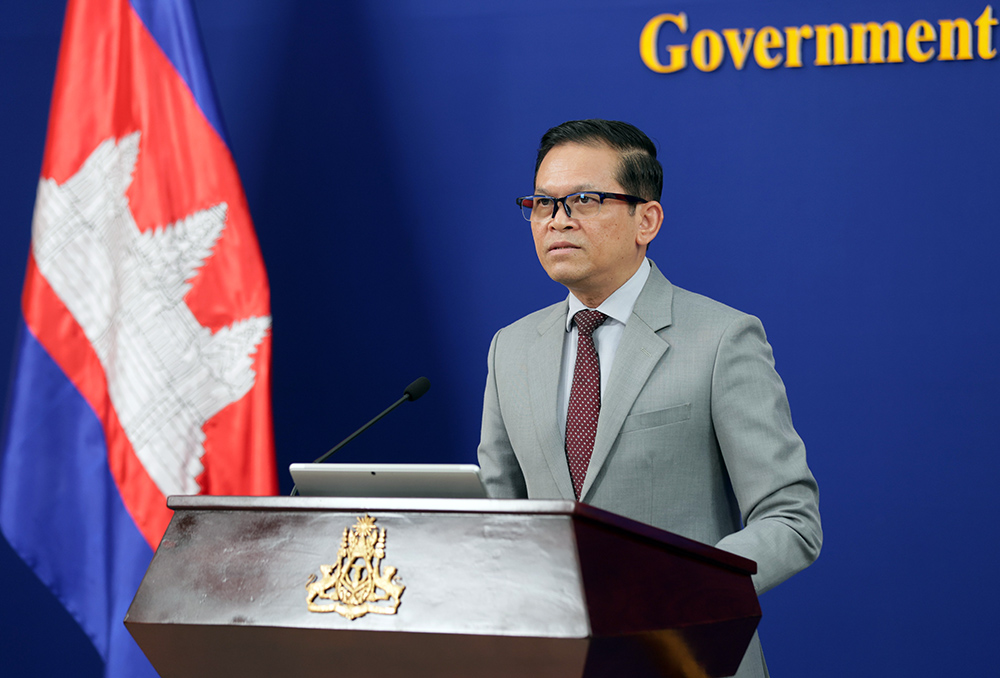
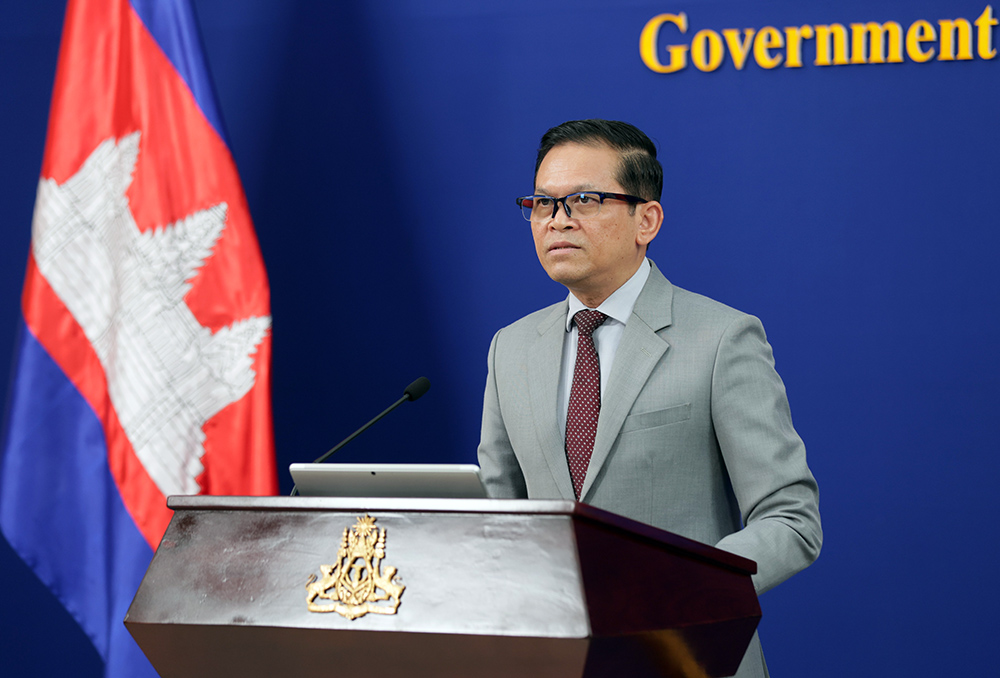
Cambodia’s Joint Boundary Commission (JBC) has sent nine diplomatic notes to its Thai counterpart and issued 32 formal protest notes regarding illegal activities by Thai forces in areas under dispute, according to H.E. Pen Bona, Spokesperson of the Royal Government of Cambodia.
Speaking at a press briefing on June 22, H.E. Pen Bona stated that since the second ceasefire agreement entered into force on Dec. 27, 2025, the Cambodian side of the JBC has repeatedly proposed convening a special JBC meeting and dispatching Joint Survey Teams (JSTs) to resume field operations and continue survey and demarcation work previously undertaken by both sides.
Beyond those diplomatic initiatives, Cambodia’s JBC has also submitted 32 official protest notes concerning unlawful activities by Thai forces in areas under their illegal occupation.
He added that if counted from the first ceasefire agreement, which took effect on July 28, 2025, Cambodia has submitted a total of 42 protest notes regarding alleged violations by the Thai side.
H.E. Pen Bona stressed that these formal protests are essential to clearly affirm Cambodia’s position of non-acceptance of actions it views as infringements on its territorial integrity.
He explained that official protest letters carry legal significance and constitute important documentary evidence in any border settlement process conducted in accordance with international law, while also preserving the legal standing and continuity of the dispute.
Regarding Cambodia’s proposals for special JBC meetings and deployment of JSTs, the spokesperson said these requests are consistent with the Agreed Minutes of the Special Meeting of the Cambodia-Thailand JBC dated Oct. 22, 2025 and the Joint Statement of the 3rd Special Meeting of the General Border Committee (GBC) dated Dec. 27, 2025, particularly Point 3.
Those agreements prioritised resuming survey and border demarcation work on the ground at the earliest opportunity to enable affected civilians to return home safely, peacefully, and with dignity, he stressed.
The spokesperson stated that while Cambodia has continuously pushed for implementation of those measures, Thailand has repeatedly requested postponements citing domestic considerations, even as activities on the ground have continued.
Cambodia reiterated its rejection of any creation of new realities on the ground (fait accompli) and maintained that it does not recognise any alteration of borders resulting from force or unilateral claims.
H.E. Pen Bona further reaffirmed Cambodia’s position that management of the Cambodia–Thailand land boundary remains based on international law, including the principle of Uti Possidetis Juris, the Franco-Siamese convention and treaty, historical boundary maps, demarcation records, and previously agreed bilateral documents.
On maritime issues, the spokesperson noted that following Thailand’s unilateral termination of the 2001 Memorandum of Understanding (MoU 2001), Cambodia announced on June 2, 2026 its decision to initiate compulsory conciliation proceedings under the United Nations Convention on the Law of the Sea (UNCLOS) to address overlapping maritime claims.
He said the process is moving forward with Thailand’s participation and expressed hope that it would demonstrate the value of international law and peaceful dispute settlement in achieving a durable solution.
By C. Nika